The Complete Henderson Artificial Turf Guide
Henderson's desert climate — intense UV, summer temperatures well over 100°F, and water restrictions that make natural lawns brutally expensive to maintain — is exactly why artificial turf has become the default choice for homeowners here. But a synthetic lawn is only as good as what's underneath it, and the difference between a turf lawn that looks new for a decade and one that waves, dips, and smells after two summers is decided before the first roll of grass is laid.
Why Henderson Homeowners Choose Turf
The math is simple: keeping a natural lawn alive in the Las Vegas Valley means watering through drought restrictions, fighting the heat with constant irrigation, and watching the water bill climb every summer. Artificial turf removes the water bill, the mowing, the fertilizing, and the seasonal brown-out that hits every natural lawn in July. For pet owners, it adds a surface that handles urine and digging far better than sod. For families, it's a year-round green play surface that stays usable in 110-degree heat.
The 90% That Nobody Sees: Subgrade and Base Engineering
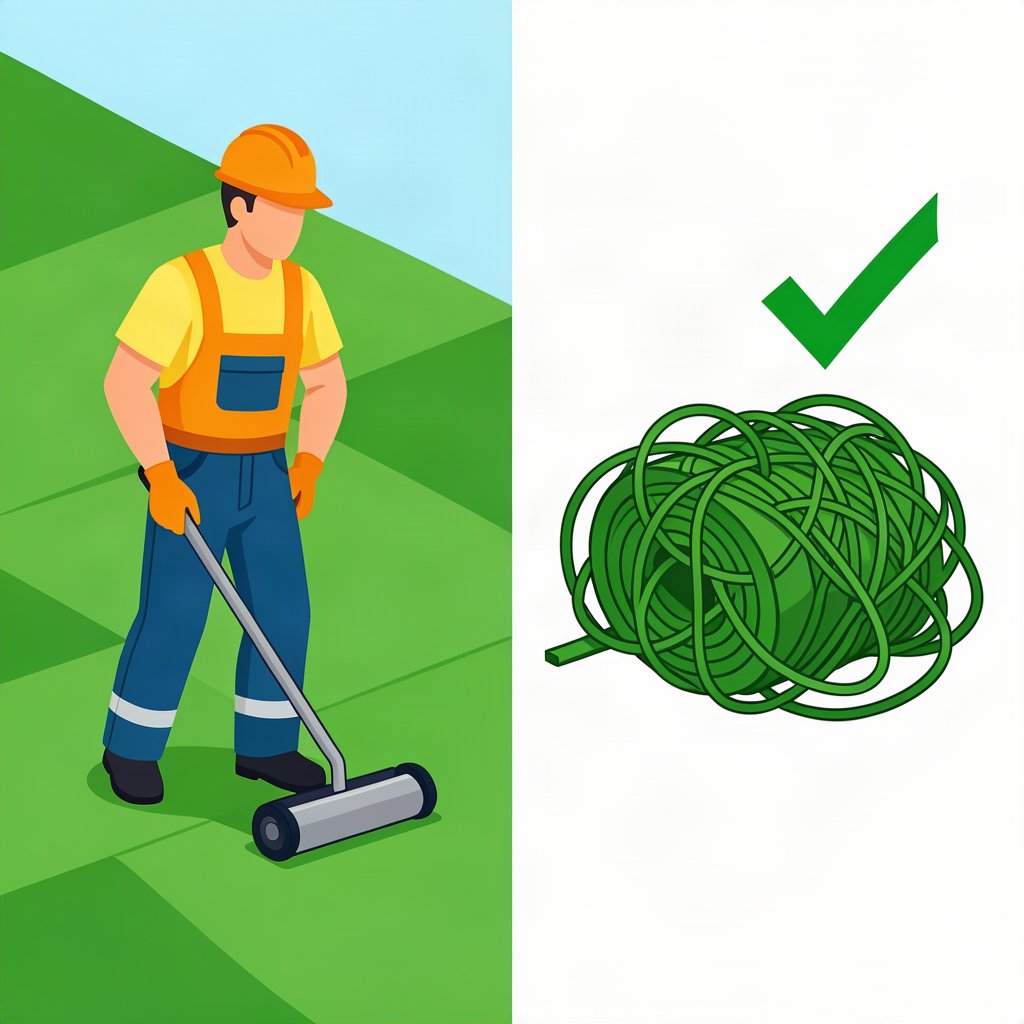
Here's the number every Henderson homeowner should know: roughly 90% of a turf system's success depends on what's hidden underneath it. The grass you see is the final 5–10% of the product. Below it sits an engineered system — the native soil, graded and compacted so water sheds instead of pooling; an aggregate base (typically crushed stone, with depth specified to your soil type and expected load); and a geosynthetic barrier that keeps fine soil particles from migrating up into the base, which is the single most common cause of premature turf failure.
In Henderson specifically, the soil is a mix of clay and caliche that expands, shifts, and drains poorly. A turf installer who skips proper subgrade preparation is building a lawn that will develop waves and standing water within a season or two — and by then, fixing it means tearing the whole thing out. When you get quotes, ask what's included below the surface line. The base thickness, the compaction standard, and the drainage plan are where the real quality difference lives.
What Turf Costs in Henderson
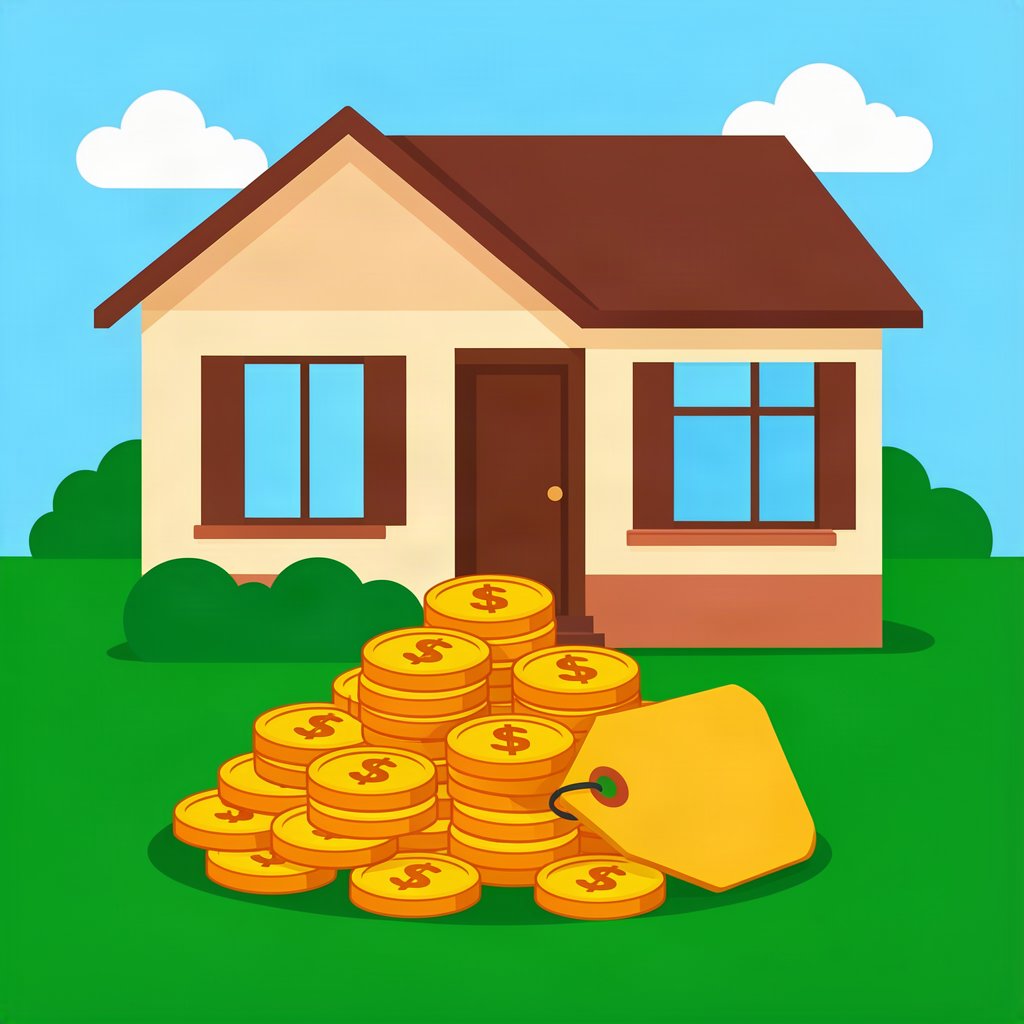
Henderson artificial turf typically runs 8 to 15 per square foot installed, with the variation driven by the quality of the turf itself, the base preparation required, and whether the project includes demolition of an existing lawn. Pet-friendly turf with antimicrobial infill and drainage channels runs at the higher end. A typical 500-square-foot backyard lands in the 4,000–7,500 range, and while that's a real investment, it replaces a decade of watering, mowing, and fertilizing — most Henderson homeowners find the payback lands inside three to five years.
Pet Turf: What's Different
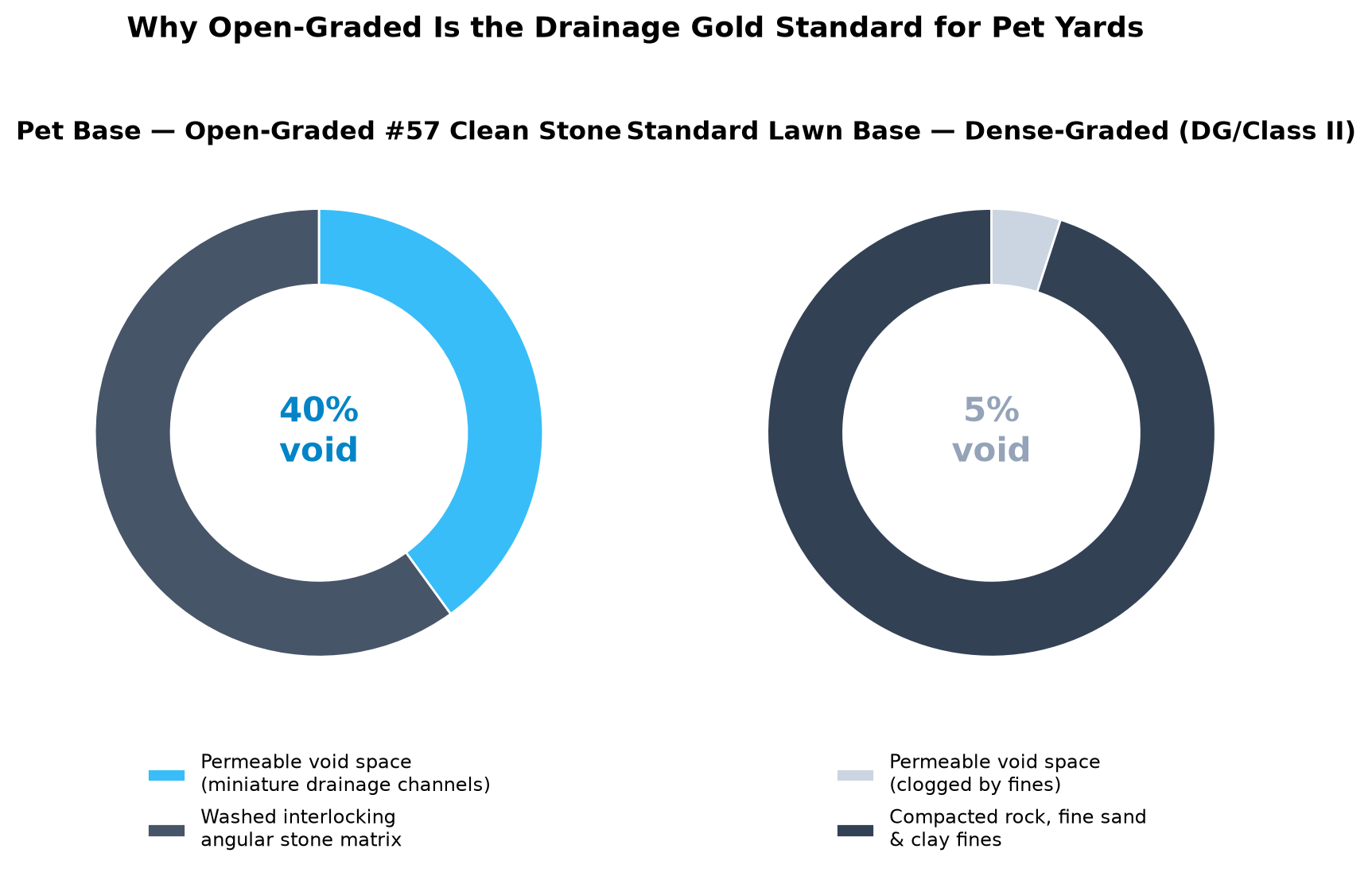
Henderson has more dog owners per household than almost any city its size, and pet-specific turf is a genuine product category, not a marketing trick. Pet turf uses denser, shorter blades, antimicrobial infill that neutralizes odors, and a drainage system that lets urine pass through instead of pooling. The infill needs periodic refreshing, and solid waste should be picked up promptly — but a properly installed pet lawn handles the daily realities of dog ownership without the mud, dead spots, and digging damage that natural grass suffers.
Maintenance: Less, But Not Zero
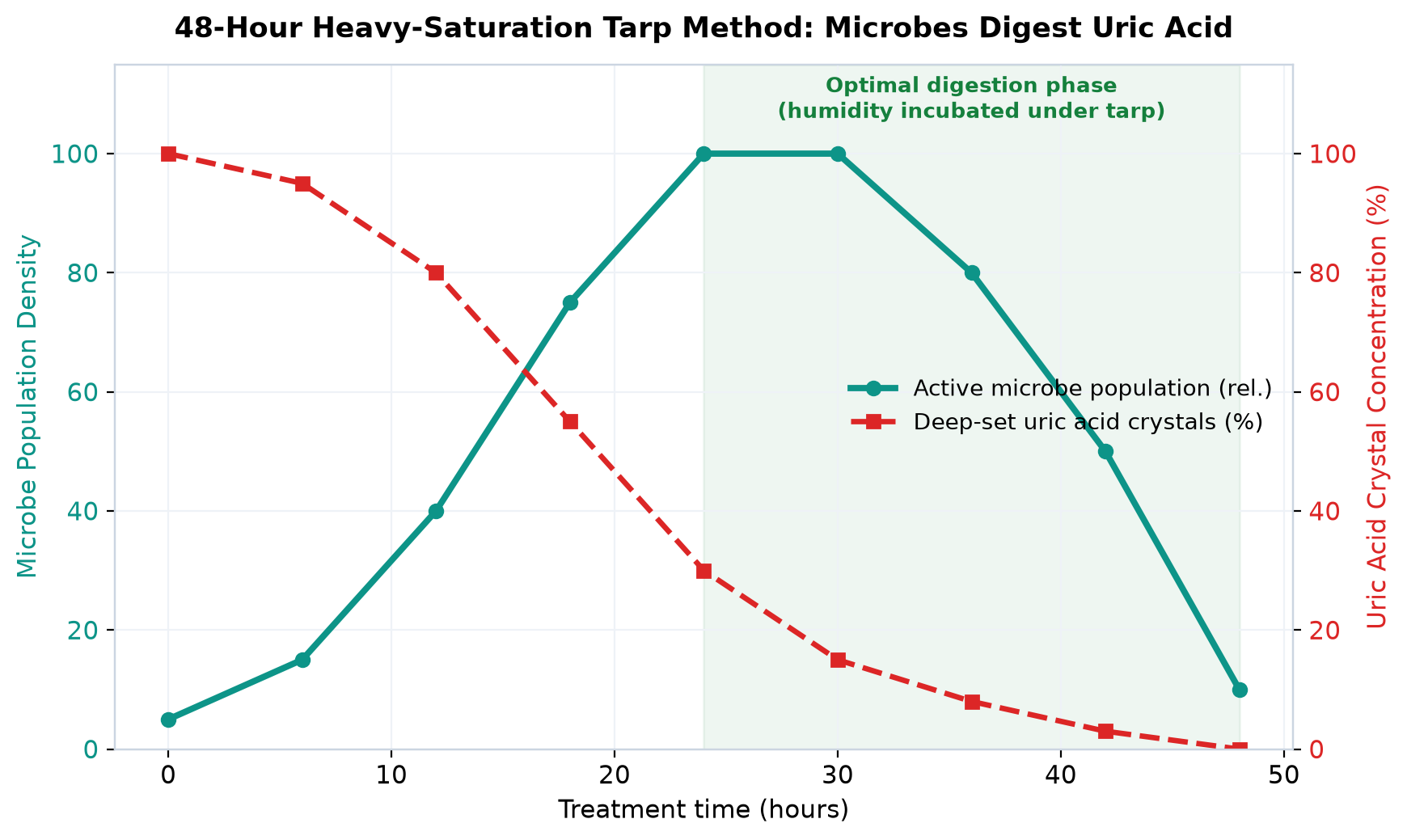
The "no maintenance" pitch is close, but not quite accurate. A Henderson turf lawn needs: brushing or raking a couple of times a year to keep the blades standing, rinsing occasionally to clear dust (the desert is dusty), and — in the hottest months — a quick hose-down if the surface gets too hot for bare feet (lighter infill colors and lighter turf shades run noticeably cooler). Leaves and debris should be cleared before they break down into stains. That's the entire maintenance list — versus weekly mowing, edging, fertilizing, and watering for a natural lawn.
How to Vet an Installer
The questions that separate a real turf installer from a reseller: What base thickness and compaction are you building to? What's your drainage plan for our soil type? What warranty covers the turf, the seams, and the base separately? Can you show me installed projects from last summer — not just photos? Do you use a geosynthetic separation layer? Installers who can answer these specifically are selling an engineered lawn; installers who wave them off are selling a carpet. Our matching service can connect you with local artificial turf professionals who work to these standards — free, with no obligation.
Next Steps
Dig deeper with our turf foundation engineering guide, the base engineering standards, and the 50-question installer vetting playbook.
Ready to Compare Turf Installers?
Tell us about your project and get matched with local artificial turf professionals.
Get Matched with Turf Installers📄 Free Guide: Engineered Turf Systems — download the printable reference.